17th STEEL ANGEL Award
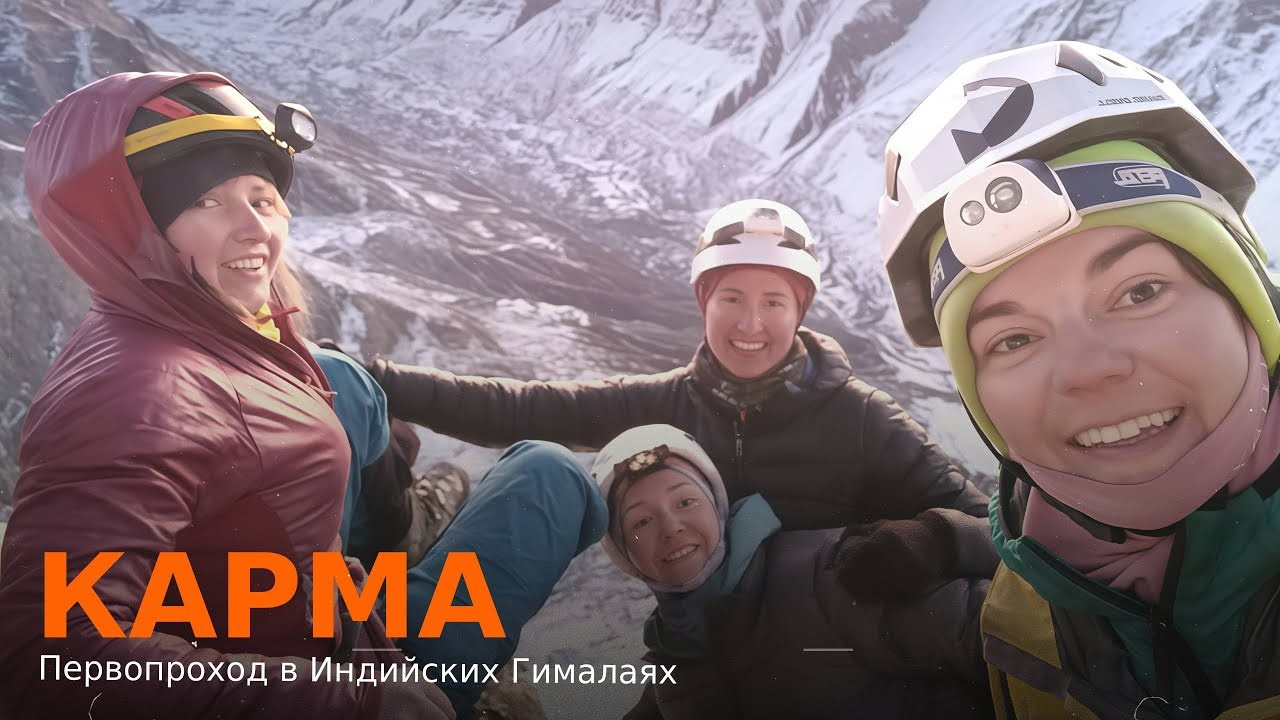
First ascent of the Iris Peak (5200 m, Miyar Valley, Himachal Pradesh, India) Karma route
Olga Paducheva, Oksana Kochubey, Nadezhda Pilshchikova and Nadezhda Muzhikina
- Difficult: 6с, ED
- Length of technical sections: 650m
- Total length: ~1100m
- Style: The route was completed in trad style and by leader free climbing.
2025 Significant ascents
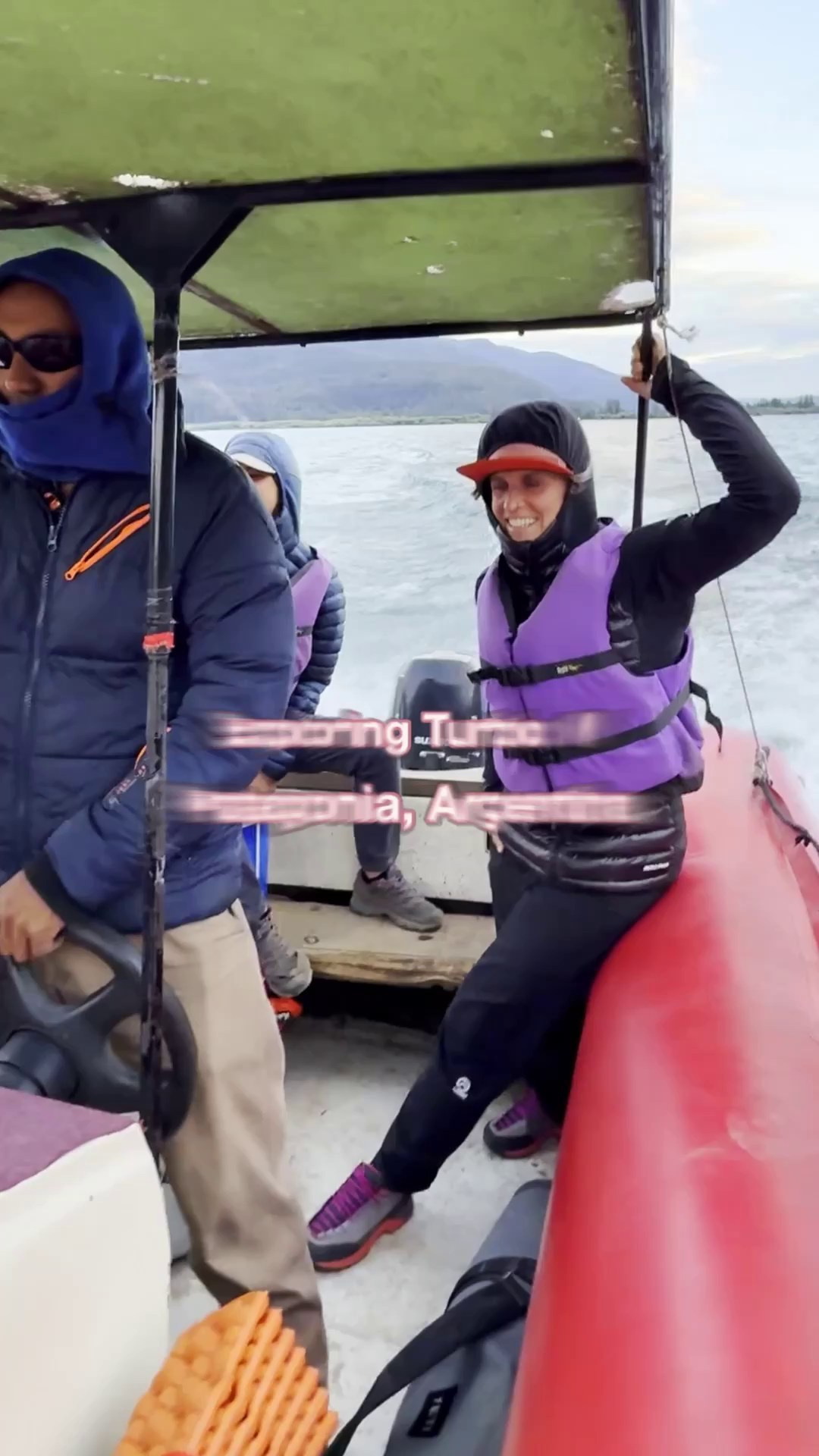
First ascent of the unclimbed El Cohete (Turbio IV Valley, Patagonia), Apollo 13 route
Fay Manners, Caro North, Julia Cassou, Belén Prados and Rocío Rodríguez Guiñazú
- Difficult: 6с-7b+ (~5.12c), ED+
- Length of technical sections: 650 m (13 pitches)
- Total length: 1250 m
- Style: The expedition was conducted autonomously, with a team of five women.
Yellow Wall (3700m, Karavshin, Kyrgyzstan), Sourire Kirghize rout
Galya Terentyeva, Darya Serupova
- Difficult: 6c-7b, 5.12c, ED
- Length of technical sections: 600 m (13 pitches)
- Total length: 755 m
- Style: The route was completed by a women’s rope team in one day, onsight free climbing.

First ascent of the Point Walkers (5300m, Garhwal Himalayas) by West ridge, Bhalu and a Biscuit route
Lise Billon, Sophie Jacob, Isis Millerioux, Mathilde Badoual, Maud Vanpoulle (France)
- Difficult: 6a, 5.10b, TD+/ED
- Length of technical sections: 250 m
- Style: The expedition was conducted autonomously, with a team of five women. The route was climbed free.
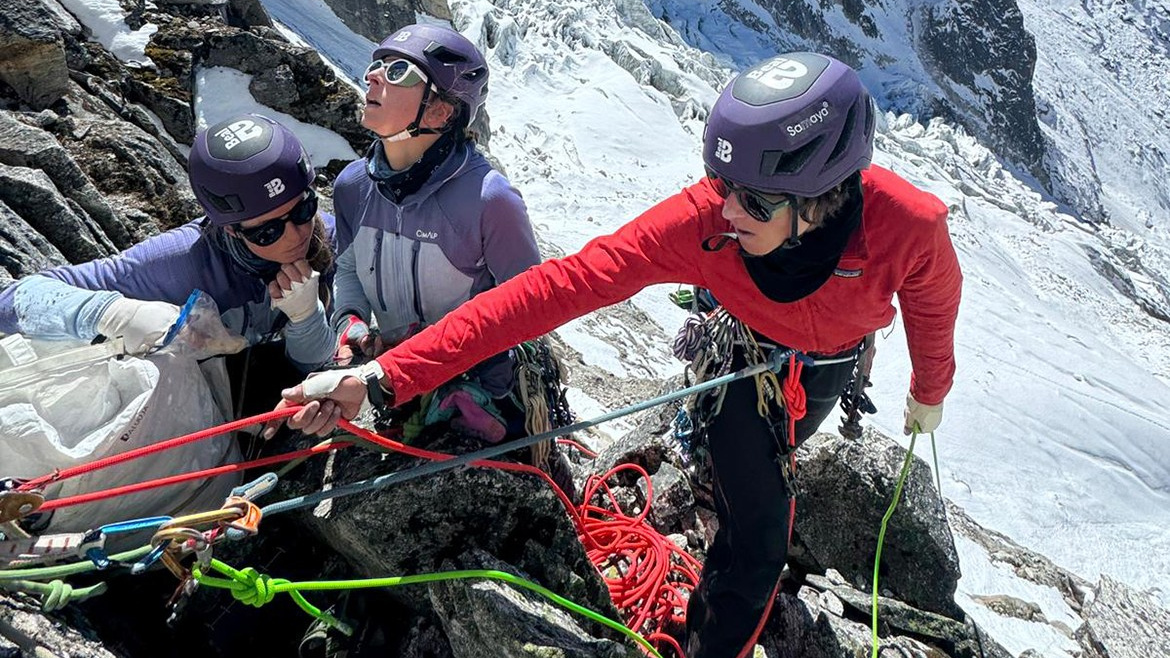
Steel Angel Award 2025 Jury panel
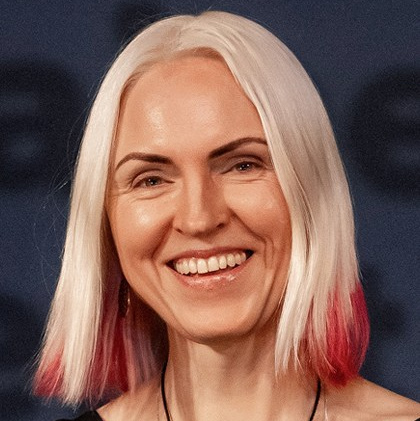
Liana Darenskaya
(Russia)
Co-founder of the Steel Angel award. Founder and Editor of “RISK On-site” magazine and the website Risk.ru. A journalist, photographer, and a participant of international exhibitions, published in National Geographic Traveller. Provided media coverage of international outdoor events such as festivals, competitions, marathons, exhibitions, and actively participated in these events as a member of the official press group.
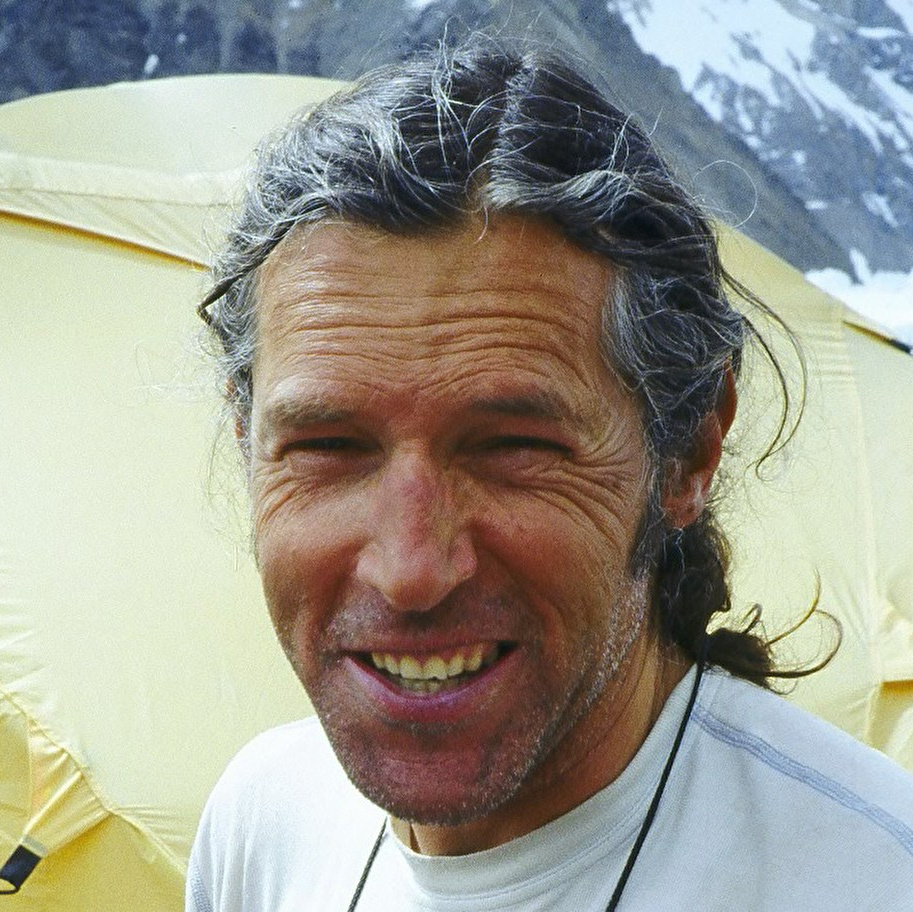
Jordi Corominas (Spain)
Professional IFMGA mountain guide. In 2024, he was awarded the 16th Walter Bonatti — Piolets d’Or Lifetime Achievement Award. Jordi has made significant contribution to multiple areas of mountaineering, from his high-standard personal ascents in pure style, his long career as a professional guide [more than 30 years of guiding in the Alps], his role as director of the Spanish National Mountaineering Team from 2002 — 2010, to the training of new guides.
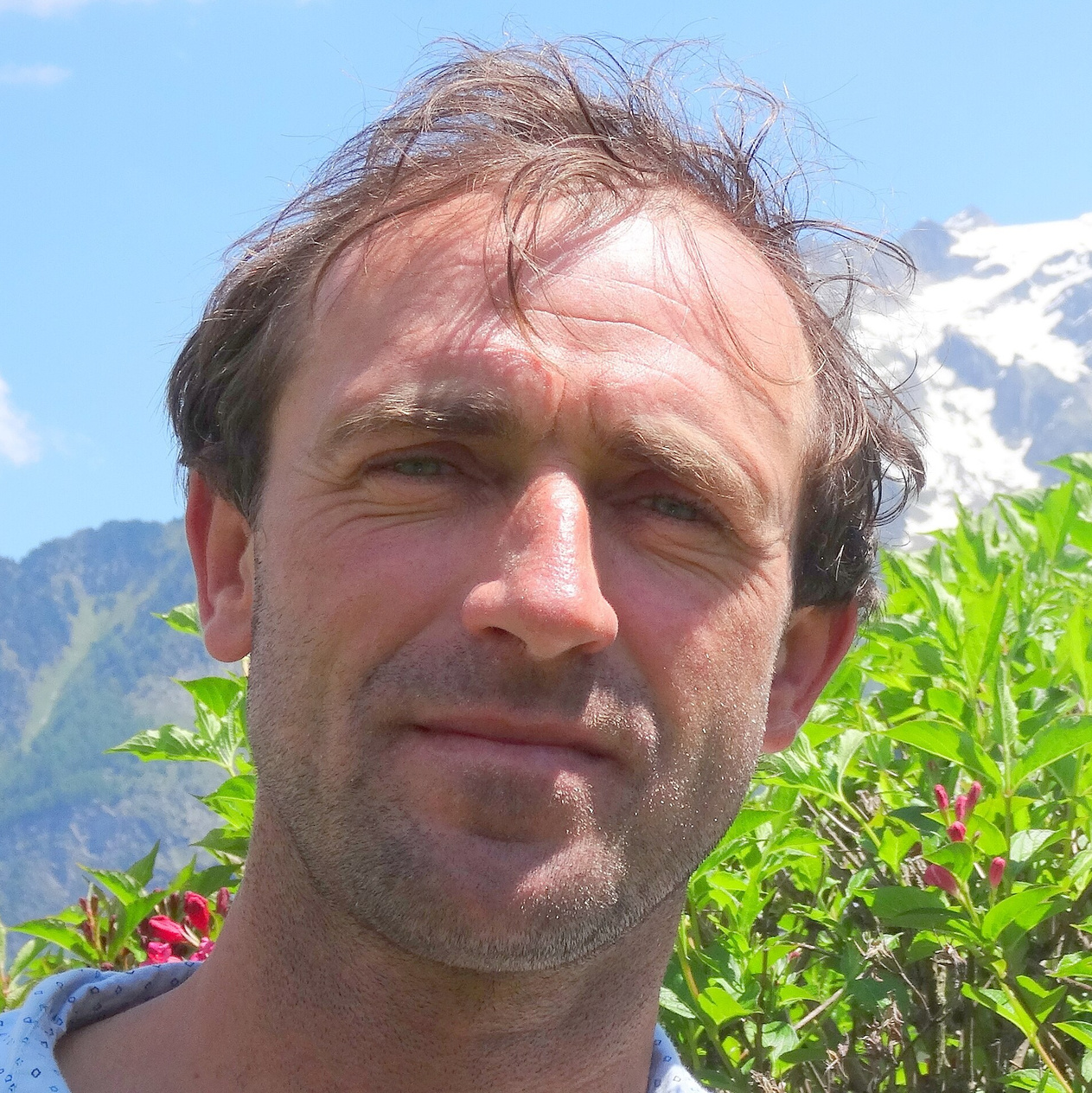
Yannick Graziani (France)
Mountain guide, a member of the Chamonix Guides Company since 2000. He was awarded the Cristal de la FFME (1997) and received a Piolets d’Or Special Mention (2014). Yannick Graziani is one of France’s most accomplished Himalayan climbers. His notable ascents include first climbs on Makalu (8,481 m) via the Southeast Ridge and East Face, Annapurna IV (7,525 m), Chomo Lonzo (7,804 m), Nemjung (7,140 m), Chaukhamba II (7,070 m), Pumori Khish (7,350 m), Lobuche (6,100 m) via the West Face, and Kusum Kanguru (6,370 m) via the North Face.
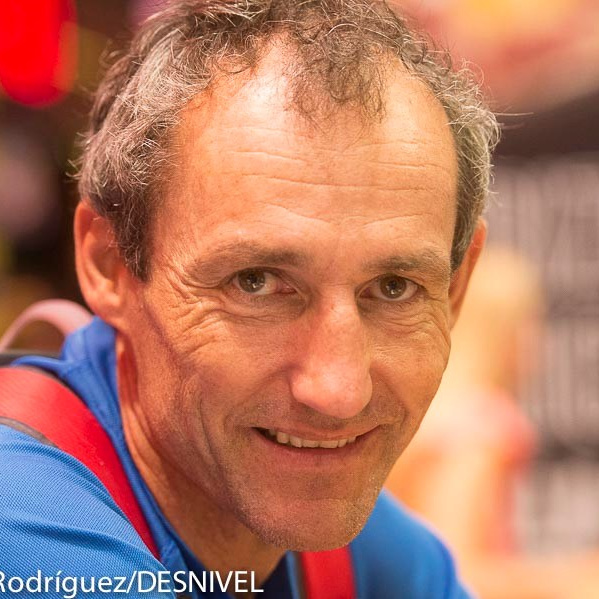
Mikel Zabalza (Spain)
IFMGA/UIAGM mountain guide, director of the Spanish Alpine Team. At the age of 22, he completed his first ascent of a 7,000-meter peak in alpine style, opening a new route on Lemphu Gang (7,083 m) in the Langtang Valley, Nepal. Since his first expedition to the Himalayas in 1992 and his first ascent of the Northeast Face of Trango Tower in 1995, to the free ascent of Divine Providence, one of the emblematic routes of the Mont Blanc massif, Mikel has continuously pushed his limits. In 2023, he made the first ascent of Phurbi Txiki (6,140 m) in the Jugal Himal range on the Nepal–Tibet border. He has served several times as a jury member of the Piolet d’Or (2022, 2024, 2025).
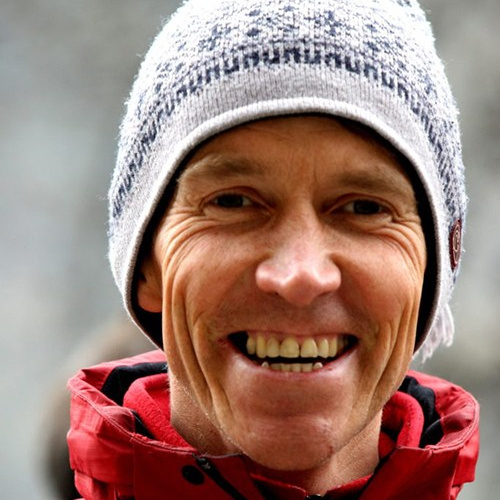
Valery Babanov
(Russia/France)
Professional IFMGA mountain guide. Piolets d’Or award winner (2002, 2004), laureate of international awards “Silver Genziana” (Italy, 2002, 2008), “Explorer” (Poland, 2004), “Golden Hook” (USA, 2008), “Crystal vase” (Czech Republic, 2008). Has been twice on the jury panel of Piolets d’Or (2003, 2005). He has made more than 600 ascents, more than 300 of them were of the 5th-6th category in a team and in twos. Climbed six peaks exceeding 8000 meters, five of them were climbed without using additional, artificial oxygen. Among the notable ones: ascents of Broad Peak (8047 meters) and Gasherbrum 1 (8068 meters), new routes and in alpine style. He also climbed about 45 long routes of the highest category of difficulty in the Pamir Mountains, Tien Shan and abroad (Alps, Yosemite, Alaska, Himalayas) in summer and winter conditions in solo style. Some of them were first ascents.
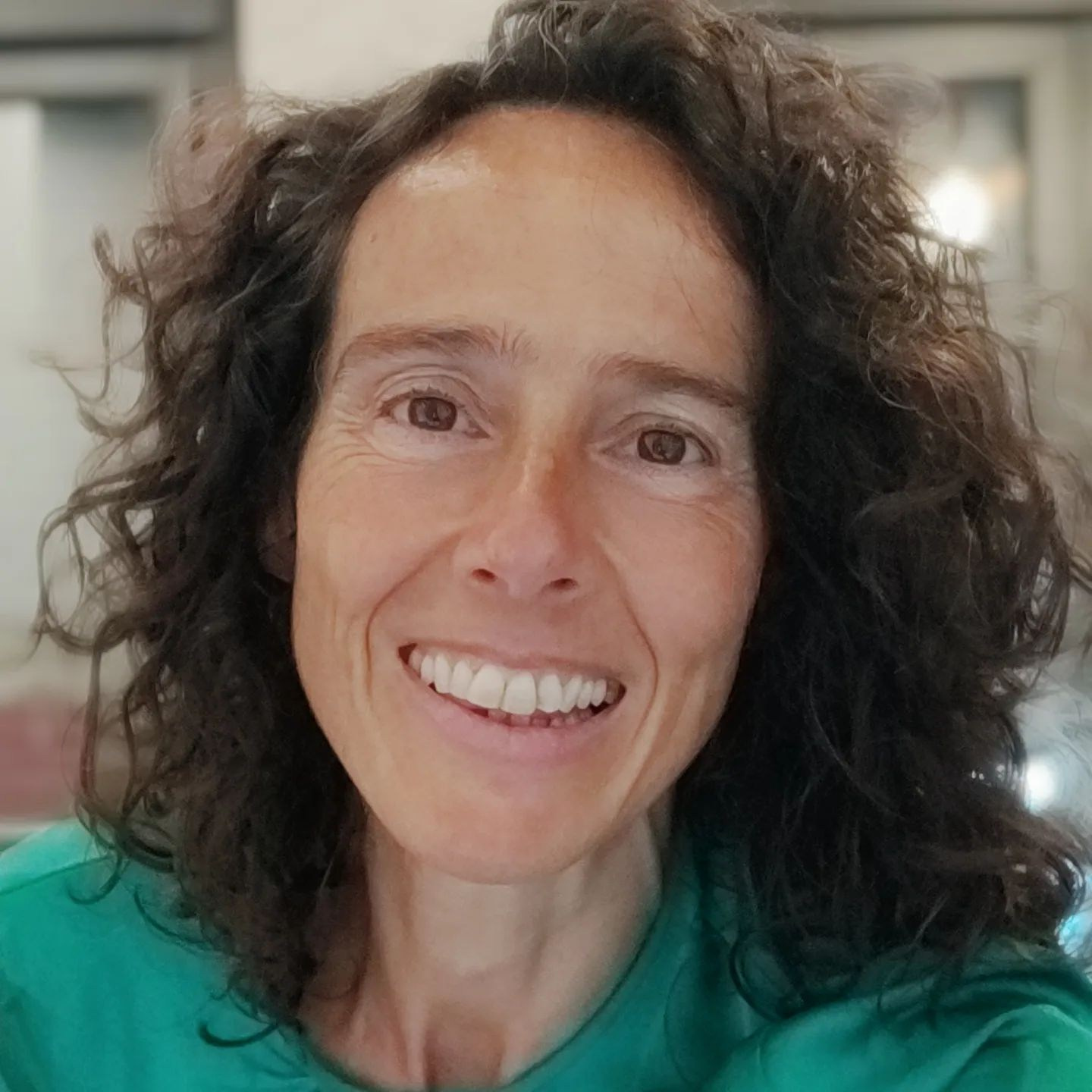
Sonia Casas Torcida
(Spain)
She was the first Spanish women to receive the professional guide qualification TDII Alta Montaña (AEGM). Passionate of mountains, she considers them as a sacred temple. As an alpinist and rock climber she knows well all the Spanish hotspots, as well as in the Alps, Turkey, Morocco and Patagonia. Regarding high altitude ascents, she counts with several 6000, 7000 summits in alpine style in Nepal, Kazakstan, Kyrgysztan, Pamir-China and Cordillera Blanca-Peru. Optimistic and enthusiastic, she knows how to pass on what motivates her, enjoying the moment to the full and the simple things that sometimes others miss.
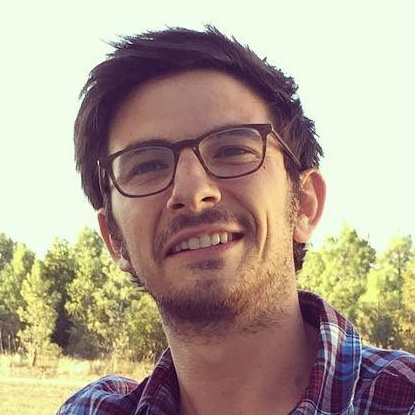
Michael Levy
(USA)
Editor and publisher of Summit Journal, which is a re-launch of Summit, one of the original US climbing magazines. The new Summit Journal is one of the most beautiful and interesting magazines ever produced. He has worked on the American Alpine Journal (AAJ) for several years and is one of top editors AAJ. He was formerly a senior editor at Rock and Ice, Climbing, and Ascent magazines. His work has appeared in The New York Times, Outside, Men’s Journal, Sierra, Sidetracked, and Mountain Gazette, among other publications. He has climbed all over the world, from the big walls of Yosemite to the limestone cliffs of Southeast Asia; from the peaks in the Alaska Range to those in the Cordillera Blanca.
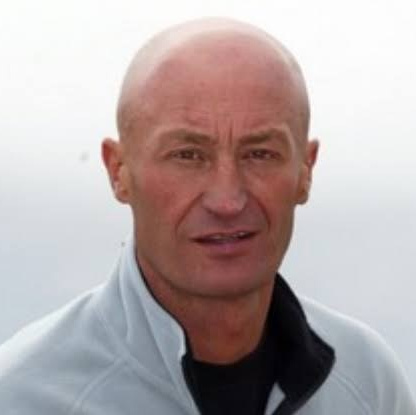
Silvio Mondinelli (Italy)
Himalayan climbers. In 2007, he became the 13th person to climb all 14
eight-thousanders and the sixth to accomplish this feat without the use of
supplemental oxygen. Silvio was also the first mountaineer to have climbed both
the Seven Summits and all 14 eight-thousanders.
Throughout his expeditions, Mondinelli has rescued other climbers, often at the
cost of his own summit attempts. He is one of the founders of the High Mountain University in Alagna
Valsesia, as well as the charity Amici
del Monterosa (“Friends of Monte Rosa”), which built a hospital in
Kathmandu.
His remarkable climbs and numerous rescue missions around the world have earned
him the nickname “The Mountain Machine”
and widespread international recognition
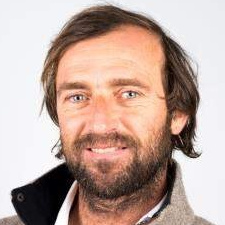
Yannick Graziani (France)
I agreed to be a member of Steel Angel Award jury for few reasons. The 1st one is, of course, to promote female climbing. Another reason is that I am 52, I have a wife and 2 kids, and I love being in girls’ company…
I have climbed a few times with girls in my teams — in India, Nepal and Pakistan — and each time their fitness, their willingness and their motivation were the same as those of all the team if not stronger.
Climbing in Himalaya required strategy, team spirit, imagination and a reasonable strength.
Nowadays girls are as strong as men. For instance, look at Nives Meroi, the Italian climber, who competed all the 14 8000’ and opened new routes, sometimes in pure alpine style. Or the Norwegian girl, who completed the 14 8000’ with supplementary oxygen and Sherpas staff but much faster than the Nepali climber 1 year before.
In all the terrain, speed, commitment, technical and difficulty girls are now at the same level as men teams. That is why I am happy to highlight “l’apilinsme au féminin”. Machism is over and definitely out of the game in modern lives in 2025.
I know the Indian Himalaya, I went there a few times, and I know the potential is unlimited. The granite and the mountain shape there remind me of the beauty of the Chamonix range but in a bigger dimension. Climbing a new peak is something special, where every choice on how to climb the new route is crucial. This team achieved a unique route on very difficult terrain: rock, and snow, and ice on the upper part. They had the idea of using the capsule style in order to free climb all the pitches, they had the good vision for such a climb; this is all in echo with alpine style climbing, and what we call light and fair.
The route in Pamir-Alay done by a small team of 2. My consideration is based on the traditional style of rock climbing they practice and the extreme difficulty of the climb in just one day. My congratulations to the team. Unfortunately, I have never visited Pamir, but I’ve heard from friends of mine how beautiful it is there. Keep free climbing and enjoy the adventure in the mountains!
The group of French girls has been training for a year in the Alps; they are a part of the French fédération féminine team. For some of them it was the first adventure in the Himalayas, and when you start to discover these mountains, it’s a whole new world of mountaineering opening for you. I am sure it was their first climb at such altitude but not the last one.
The achievement
in Patagonia is remarkable, because it is as much of a link between many different
countries as an international team can be. The length and the difficulty of the
rock put them in the top 4 ascents of the year.
After all these statements I would like to share my true consideration for these alpinist girls who push the commitment and the technical level so high. It is just a start for them, and I wish them to experience more and more adventures in the mountains.
Mountaineering
is a magnificent passion which makes all human beings better. Travelling around
the world to discover the best place to fully live through their passion is a
very modern way to be an alpinist.
Voilà!
Only people who move forward can make the world getting better.
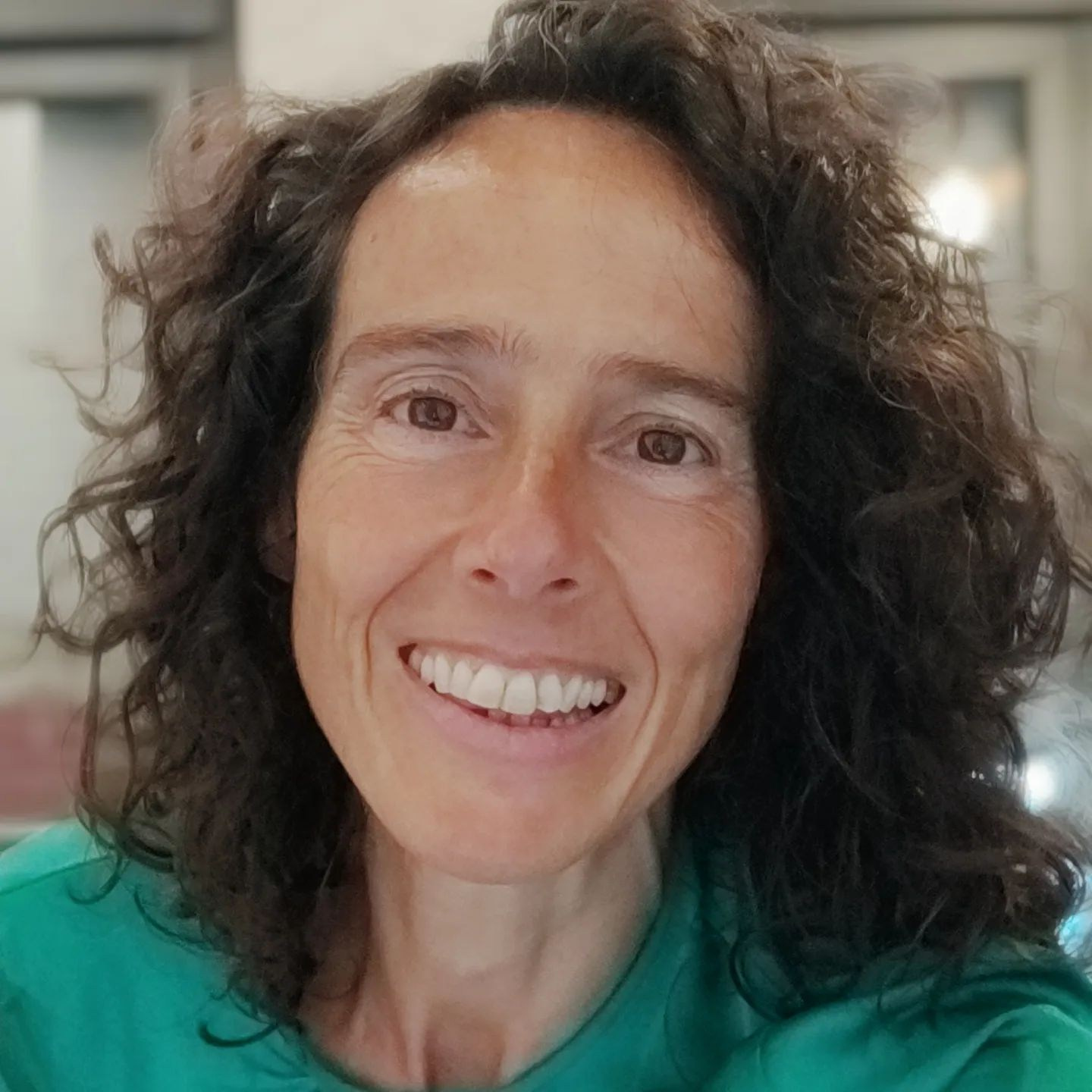
Sonia Casas
I am happy the jury is formed by a heterogeneous group so the final decision is made by all of us/them. I would have loved sharing opinions, but did not received other feedbacks, except the one from Mikel Zabalza (my husband). I believe that the Apollo route is a huge climbing, more difficult than the Karma one. It is a really beautiful line to an unclimbed peak, so it is both a new first ascent and a first climbed peak. And it was also forced in free climbing after preparing the route. And this is the reason for which I finally decided voting for Karma.
I feel despite all the enormous job that the Apollo’s team did, it was more valuable in terms of the determination and engagement of climbing and abseiling without bolted stations, that the Iris’s peak team did, by achieving a straight attempt with 2 bivacs and nearly 3 days. They run out of gear and food above 5000m, dismantled all the ascent stations and placed gear for a different new descent line. Taking gear for a bivac makes it heavier and harder to pull up. They also found ice and snow conditions with lower temperatures which gives harder character. So I guess it was harder in every sense and more risky.
Both of them are incredible ascents and I feel really amazed by all the climbers. I am really amazed by them and their success and activities, not just only these ones, but all their careers. They are super referents for all of us.
Thanks for your contribution to promote alpinism among women parties. Thanks!
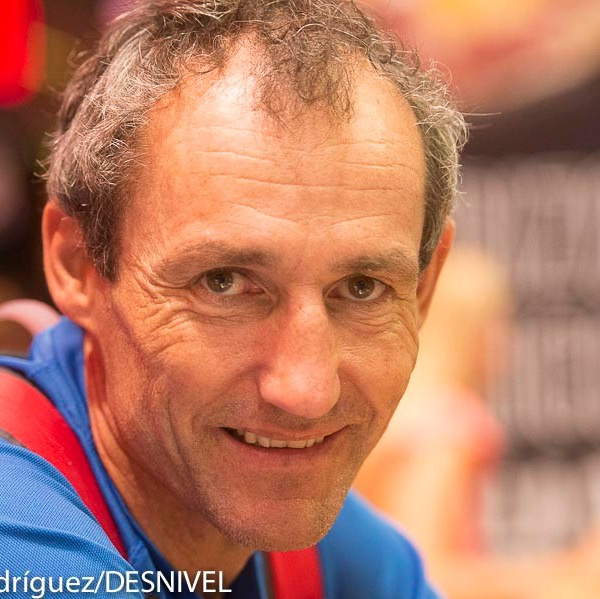
Mikel Zabalza (Spain)
In my opinion, the most valuable climb is the Russian team’s route to Iris Peak in India. It’s the longest and most challenging climb of all those presented, and it also presents significant difficulties.
The second place takes the opening of the Apollo 13 route in Patagonia. It’s a technically very difficult route. It was established using bolts at all the belay stations, which significantly reduces the commitment required, but it’s important to keep in mind that it’s a remote and difficult-to-access location.
The third, in my opinion, is the day climb of the Sourire Kirghize route. A climb in very good style done by two very strong climbers with great alpine potential. It’s a good climb, but far from the level of commitment of the climb to Iris Peak.
Michael Levy
editor and publisher of Summit Journal, media partner of the Steel Angel award
The nominees for this year’s Steel Angel award come from all over the world and completed ascents to match, spanning the globe. It is heartening to see ascents in places I’m less familiar with—the spirit of exploration is alive and well.
For me, the standout climb was the first ascent of El Cohere, in Turbio IV Valley, Patagonia, completed by Fay Manners (UK), Caro North (Switzerland), Julia Cassou (France), Belén Prados and Rocío Rodríguez Guiñazú (Argentina). What struck me about this climb was the commitment to trying an unclimbed peak, by a proud Direttissima up the center of the face; the style of committing to free it once established, and going to the summit despite the wall itself being a proud accomplishment; the commitment to equipping the new route and preparing it for repeat ascensionists; the creativity involved in envisioning an expedition that goes beyond the wall and includes pack rafting out after; and finally, the excellent press the climbers garnered for their achievement, truly a boon for women’s alpinism.
A close second for me was the first ascent of Iris Peak by Olga Paducheva, Oksana Kochubey, Nadezhda Pilshchikova and Nadezhda Muzhikina (Russia). This expedition showed great nimbleness in switching objectives once permits were denied, and still ended up climbing a beautiful new route to a stunning summit. Their employment of the Krasnoyarsk Simul-Climbing Technique (new to me!) is also impressive and shows great ingenuity in approaching a complex mountain.
The other nominated climbs are of course great achievements. Lise Billon, Sophie Jacob, Isis Millerioux, Mathilde Badoual, Maud Vanpoulle, all of France, put up an elegant new line on Point Walkers, shining a light on a little visited area, and Galya Terentyeva and Darya Serupova, both of Russia, look to have logged a staggering amount of hard climbing in the Karavshin Valley.
Congrats to all!


-
-
Russian Special mention
Special Mention — a category to highlight women’s achievements that don’t meet the main criteria but embody the core value of inspiration and deserve recognition.
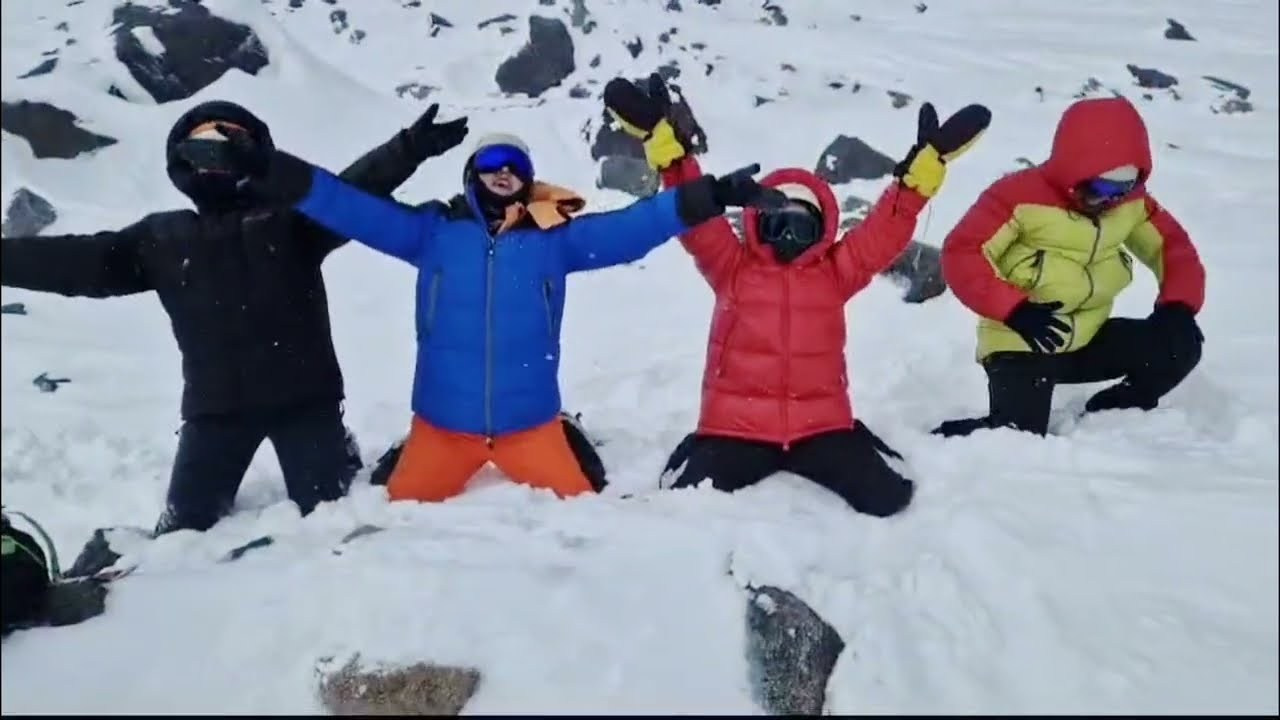
In 2025, the Steel Angel Award Organizing Committee also decided to recognize the Russian women’s team ascent of Asan Peak (4,230 m, Karavshin) by Inna Kravchenko and Tatyana Shchekinova via the Pogorelov Route (900 m, 6A RUS).
This ascent was not included in the international shortlist because Pogorelov’s route had previously been climbed three times by women’s teams, and in 2011, Marina Nechaeva and Natalia Prilepskaya won the Steel Angel for its ascent. However, Inna Kravchenko and Tatyana Shchekinova’s ascent was specifically recognized for their style and speed.
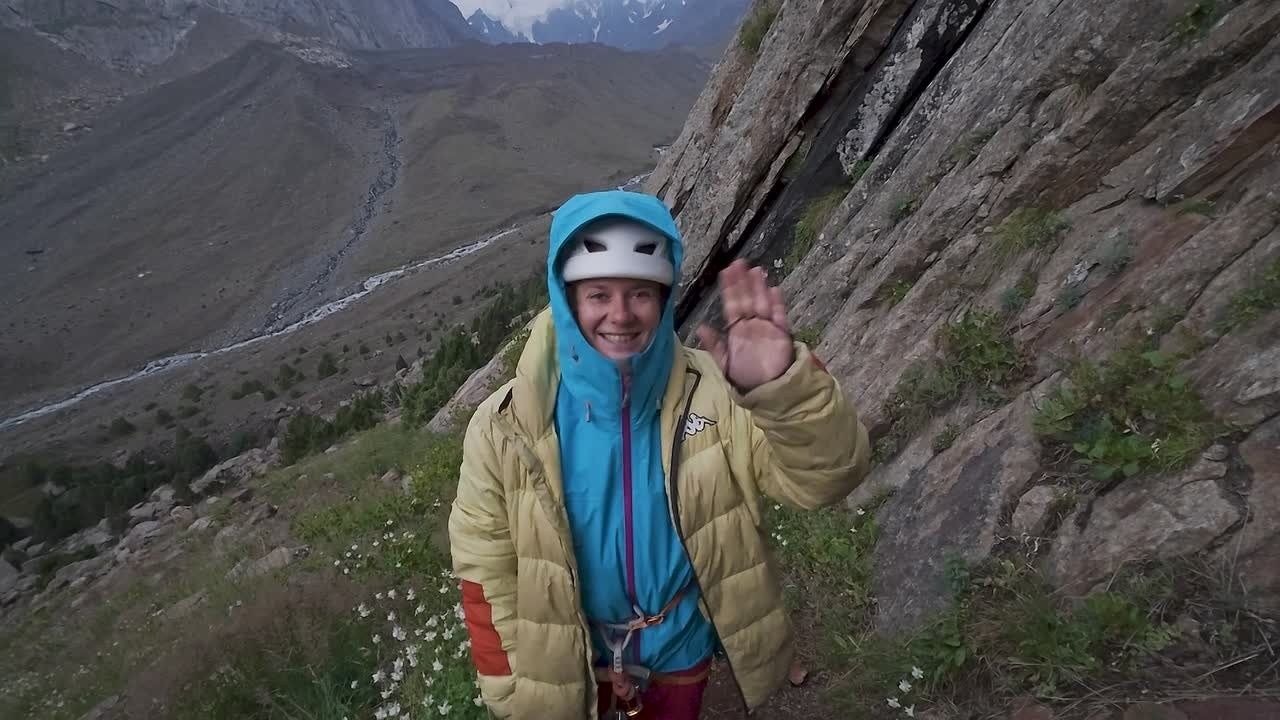
The year 2025 marked the first time in world mountaineering history that women were part of teams that made first ascents of eight-thousanders.
The Special Mention 8K was awarded to Natalia Belyankina, the first Russian woman in a mixed team to climb a new line on the eight-thousander Manaslu—without Sherpas, without a support team, fixed ropes, or supplementary oxygen.
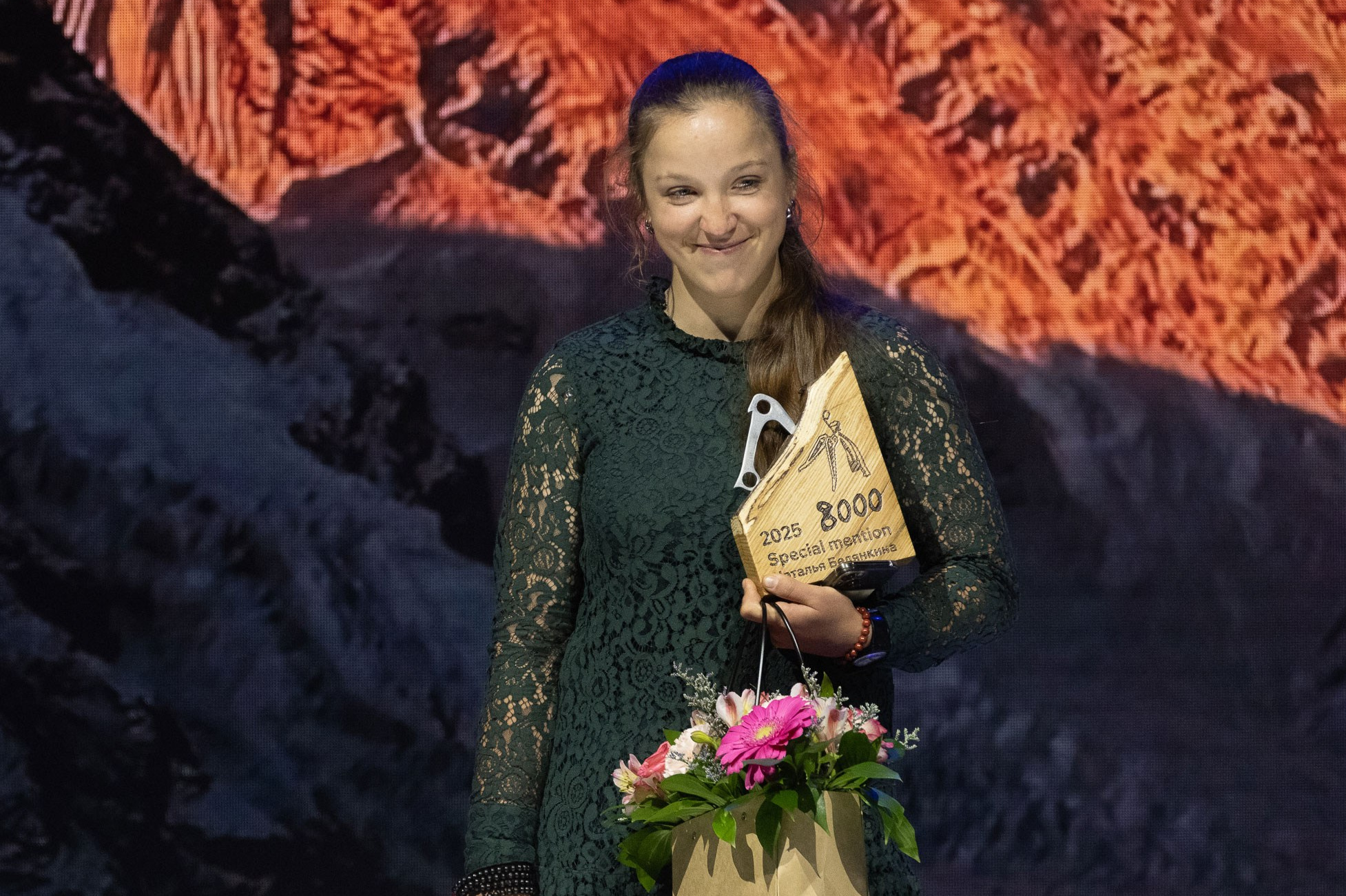
A Special Category for the Female Mountain Guides
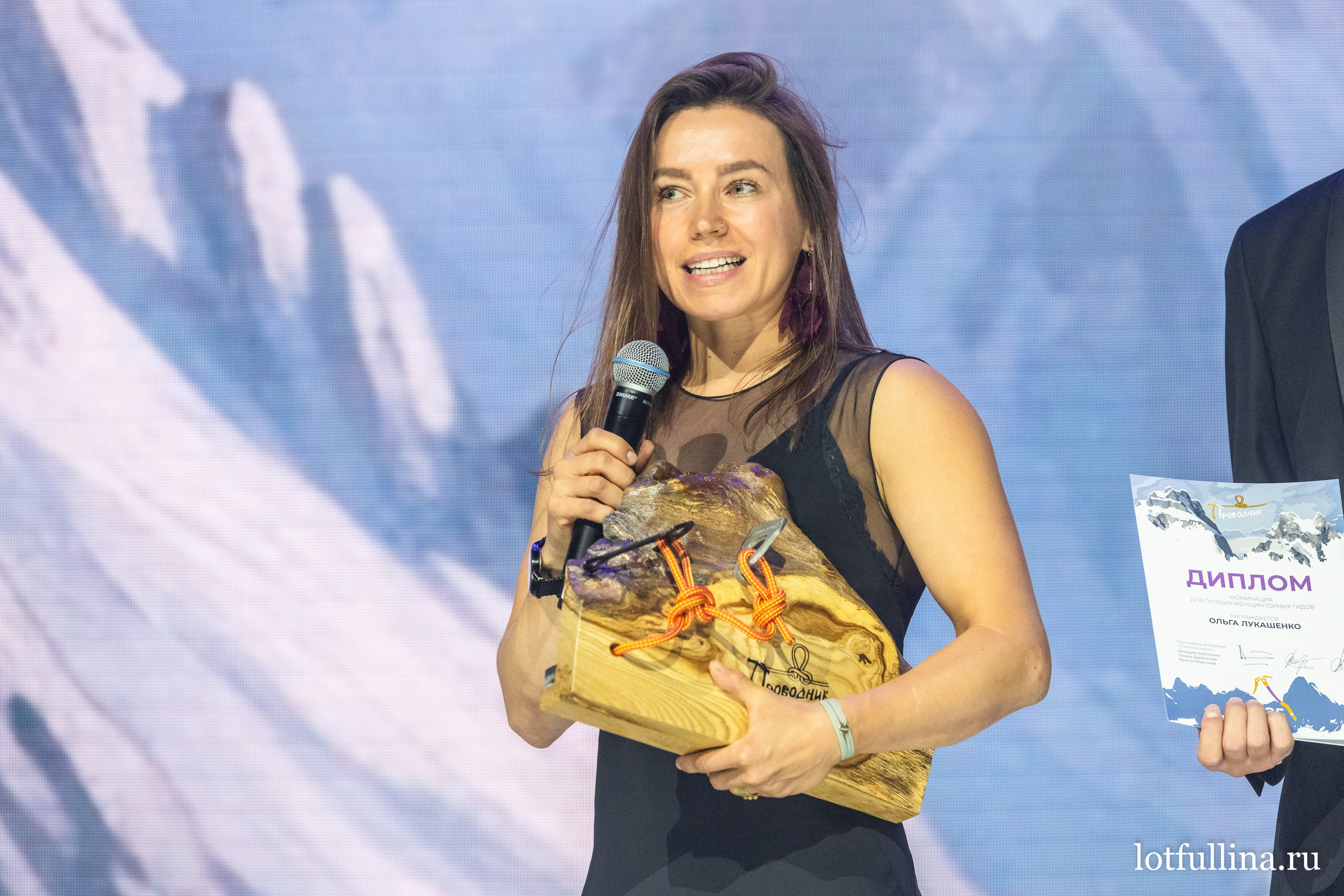
In 2024, a special “Provodnik” category was introduced to honor the best female mountain guides in Russia, recognizing their achievements and contributions to outdoor development through their professional work, social initiatives, and personal accomplishments.
In 2025, Olga Lukashenko — a certified IFMGA mountain guide, two-time recipient of the Steel Angel, and Russian Piolet d’Or winner — joined the ranks of top female guides!